The Benefits of Professional Water Well Pump Installation
For homeowners, farmers, and property managers in western Colorado, a reliable water well pump system is the heart of the water supply. When the pump fails, everything stops – showers, irrigation, and livestock watering all depend on it. Choosing professional water well pump installation and service helps ensure consistent water pressure, longer equipment life, and fewer unexpected repairs.
Professional well drillers are important, but it is the pump system that keeps your water moving every single day. An experienced pump specialist can work with your driller while designing and installing the pump system that fits your well and your property’s needs.
Why Professional Well Pump Installation Matters
Water well pump systems must be carefully matched to the depth of the well, the characteristics of the aquifer, and the water demand of your home or operation. A pump that is too small will struggle to keep up; a pump that is too large will cycle on and off constantly, causing premature wear and higher power usage.
Key advantages of professional well pump installation include:
Correct pump sizing for your specific well depth, recovery rate, and household or irrigation demand.
Proper pump placement in the well to avoid problems with sediment, sand, or running the well too low.
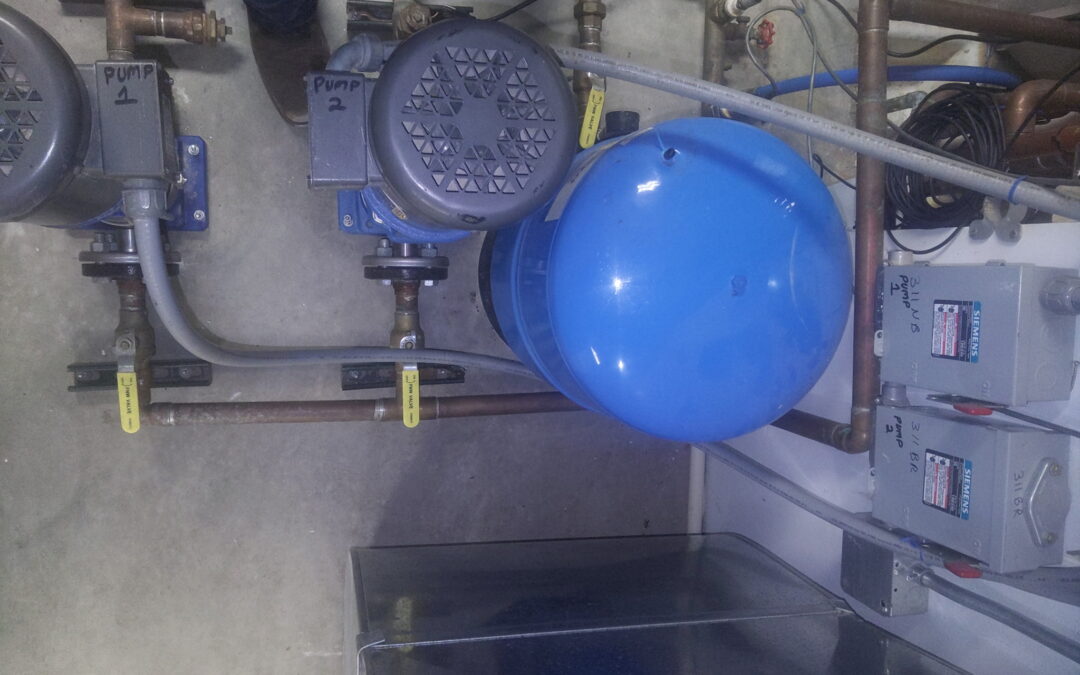
Optimized pressure tank sizing and settings to deliver steady, comfortable water pressure throughout your home or property.
When a trained technician designs and installs your pump system, you get a setup that works efficiently and reliably instead of something that barely gets by.
Extending Pump Life With Expert Setup
A well pump is a major investment, and how it is installed has a direct impact on how long it lasts. Poor wiring, improper pipe sizing, incorrect pressure switch settings, and inadequate protection can all cause early pump failure.
Professional water well pump installation typically includes:
Quality electrical connections, junction boxes, and control components rated for the environment and load.
Proper drop pipe materials and connections to support the pump’s weight and handle long term use.
Pump protection devices such as overload protection, low water cutoffs, and lightning/surge protection where appropriate.
These details are easy to overlook in DIY installations but make a big difference in pump lifespan and overall system reliability.
The Importance of Regular Well Pump Service
Even a well installed pump system needs routine service to stay in top shape. Regular water well pump service in western Colorado helps catch small issues before they turn into no water emergencies.
Common well pump service tasks can include:
Inspecting electrical components, pressure switches, and control boxes for wear or damage.
Checking system pressure, pump cycling frequency, and pressure tank performance.
Evaluating flow rates and recovery to spot developing problems in the pump or well.
Scheduled maintenance visits keep your system operating efficiently and give you the chance to plan upgrades or repairs instead of being surprised by sudden failures.
Fast, Professional Well Pump Repairs
When a water well pump fails, you need fast, reliable repairs, not guesswork. Professional pump technicians are trained to diagnose whether the issue is with the pump, the pressure tank, the controls, the wiring, or the well itself.
Signs you may need well pump repair include:
Sudden loss of water or intermittent “no water” situations.
Noticeable drop in water pressure or surging pressure at faucets and fixtures.
Short cycling, where the pump turns on and off rapidly.
Spikes in electric bills may indicate a struggling or failing pump.
Instead of replacing parts at random, a professional technician uses testing and experience to pinpoint the real cause and recommend the most effective repair.
Well Pump Service, Repairs, and Installation in Western Colorado
In western Colorado, terrain, climate, and water conditions can vary from property to property. That makes local experience crucial when it comes to designing, installing, and maintaining water well pump systems.
An experienced local pump company can help you with:
New water well pump installation for homes, cabins, ranches, and small commercial properties.
Replacement of aging or failed pumps with modern, more efficient equipment.
Ongoing well pump service plans to keep your system in top condition.
Emergency well pump repairs when you suddenly lose water or pressure.
Top signs that your water well supply system needs repair usually show up gradually in your water quality, pressure, or power use long before the system actually fails. Paying attention to these warning signs can save you from emergency outages and costly damage.
1. Sudden Drop In Water Pressure
If your water used to be strong and steady but now feels weak or inconsistent, something in the system is struggling.
Common causes include:
A failing or undersized pump
A waterlogged or failing pressure tank
Partially blocked or leaking lines
A failing pressure switch or control issue
Any noticeable change—showers going weak, sprinklers not reaching as far, or pressure surging—deserves a professional look.
2. Short Cycling: Pump Turning On And Off Constantly
Your well pump should not be clicking on and off every few seconds while water is running.
Left unchecked, short cycling can burn out a pump motor long before its normal life expectancy.
3. Air, Sputtering, Or “Spitting” Faucets
When you open a faucet and get bursts of air, sputtering water, or a mix of both, your system may be pulling in air where it shouldn’t.
Possible issues include:
Low water level in the well
Leaks in drop pipe or fittings
Failing check valve
Problems with jet pump priming (on jet systems)
This is more than an annoyance—air in the system can lead to corrosion, inconsistent pressure, and pump damage.
4. Dirty, Cloudy, Or Discolored Water
Changes in water appearance are one of the clearest signs something is wrong underground or in your equipment.
Watch for:
Cloudy or muddy water after years of clear water
Rust‑colored or reddish‑brown water
Grit, sand, or sediment at the bottom of sinks and tubs
These symptoms can point to well screen damage, casing issues, pump wear, or aquifer changes—conditions that require prompt attention.
5. Strange Tastes Or Odors
Your water’s taste and smell should stay fairly consistent over time.
Call for service if you notice:
Metallic, bitter, or chemical taste
Rotten‑egg or sulfur smell
Musty or earthy odor that wasn’t there before
Some changes can come from natural mineral shifts or bacteria growth, but they should never be ignored. A technician can pair repairs with water testing and treatment recommendations.
6. Higher‑Than‑Normal Electric Bills
A failing pump or pressure system often shows up on your power bill before it quits.
Warning signs include:
Noticeable jump in electricity use with no change in your household habits
Pump running for long periods to deliver normal water
Pump running even when no fixtures are on
This can indicate a worn pump, leaks in buried piping, a pressure tank issue, or a stuck pressure switch keeping the system running.
7. No Water Or Frequent Outages
If you experience:
Complete loss of water
Water that works sometimes and then stops
Water that runs out quickly and takes a long time to recover
…your system may be facing serious issues, such as a failing pump, electrical fault, control problem, or declining well yield. These situations usually require prompt professional diagnosis.
8. Visible Equipment Issues Or Unusual Noises
Don’t ignore what you see and hear around the well and pressure system.
Look and listen for:
Clicking, buzzing, grinding, or humming from the pump controls
Pressure tank sweating excessively, leaking, or showing rust
Wet spots around the wellhead or in the pump house
Vibration or rattling in pipes when water is running
These signs often show up early, giving you a chance to fix problems before they become emergencies.
9. It’s Just Been “Too Long” Since Service
Even a well that seems to be working fine can hide developing problems. If your system hasn’t had a check‑up in years, small issues can go unnoticed until they become major failures.
A routine inspection can include:
Checking pump performance and electrical components
Inspecting pressure tank, switch, and safety controls
Verifying pressure settings and cycling behavior
Reviewing water quality and recommending any needed testing
When To Call A Professional
You should contact a qualified water well professional right away if:
You suddenly lose water or pressure
You notice cloudy, sandy, or discolored water
Your pump is short cycling or running nonstop
Your electric bill spikes without explanation
Getting ahead of these warning signs helps protect your pump, extend the life of your system, and keep clean, reliable water flowing to your home, farm, or business.
Regular maintenance keeps your water well producing clean, reliable water and helps you avoid expensive emergency repairs. It also protects your pump, pressure system, and plumbing so your well lasts longer and works more efficiently.
What “regular maintenance” really means
For most homes in western Colorado, a well should be professionally inspected at least once a year. That visit typically includes:
Checking pump performance, electrical connections, and controls.
Inspecting the pressure tank and system for proper cycling and pressure range.
Testing water quality for bacteria and other common contaminants.
Inspecting and cleaning the wellhead, cap, and visible casing, plus checking the surrounding area for contamination risks.
On top of that, many well professionals recommend a thorough cleaning of the well itself roughly every 10 years to remove built‑up sediment, scale, and biofilm.
Protecting your family’s water quality
Your well is the source of every glass of water, shower, and load of laundry in your home, so keeping that water safe isn’t optional. Over time, several things can threaten water quality:
Bacteria and microbes can enter through a damaged cap, cracked casing, or surface runoff.
Sediment and mineral scale can build up in the well and plumbing, affecting taste, clarity, and flow.
Nearby activities—septic issues, livestock, or chemicals stored near the well—can introduce contaminants into your water source.
Annual water testing and inspection help catch these problems early so they can be corrected before they affect your family’s health.
Avoiding breakdowns and big repair bills
A neglected well system usually doesn’t fail overnight—it sends warning signs first. Regular maintenance is how you spot those signs in time:
A pump that has to run harder because of clogged screens, low water levels, or plumbing restrictions runs hotter and wears out faster.
A pressure tank that is short‑cycling or losing air charge can damage the pump motor and drive up your power bill.
Electrical issues at the control box, pressure switch, or wiring can cause intermittent outages long before the system quits completely.
Cost and reliability benefits at a glance
Benefit
How maintenance helps
Result for you
Fewer emergencies
Finds small problems before they become major failures.
Less downtime, fewer urgent calls.
Lower operating costs
Keeps pump, pressure tank, and plumbing running efficiently.
Lower electric bills over time.
Longer equipment life
Reduces wear from overheating, short‑cycling, and clogging.
Pump and tank last more years.
Better water quality
Regular testing and cleaning reduce contamination risk.
Safer, better‑tasting water.
Property value protection
A documented, healthy well is a plus for any buyer.
Easier inspections and resale.
Signs your well needs attention now
Even if it hasn’t been a full year since your last service, certain changes mean your well should be checked soon.
Noticeable drop in water pressure or flow.
Sputtering faucets or air in the lines.
Water that looks cloudy, dirty, rusty, or has a new odor or taste.
Pump running more often than usual or cycling rapidly.
Unusual noises at the well, pressure tank, or plumbing.
These symptoms don’t always mean your well is failing, but they do mean something has changed in the system—and the sooner it’s diagnosed, the easier it usually is to fix.
How Valley Pump Company can help
For homeowners and property owners in western Colorado, Valley Pump Company specializes in keeping wells and pumps running the way they should—day in and day out. Our maintenance services can include:
Annual inspection of your complete water well system: pump, pressure tank, controls, and plumbing.
Water quality testing and recommendations for treatment or corrective action if needed.
Preventive cleaning, adjustments, and repairs to keep your system efficient and reliable.
If you can’t remember the last time your well was serviced—or you’re starting to notice changes in pressure, taste, or performance—this is the right time to schedule a check‑up. Reach out to Valley Pump Company today to set up a regular maintenance plan that keeps your water well protected for the long term.